

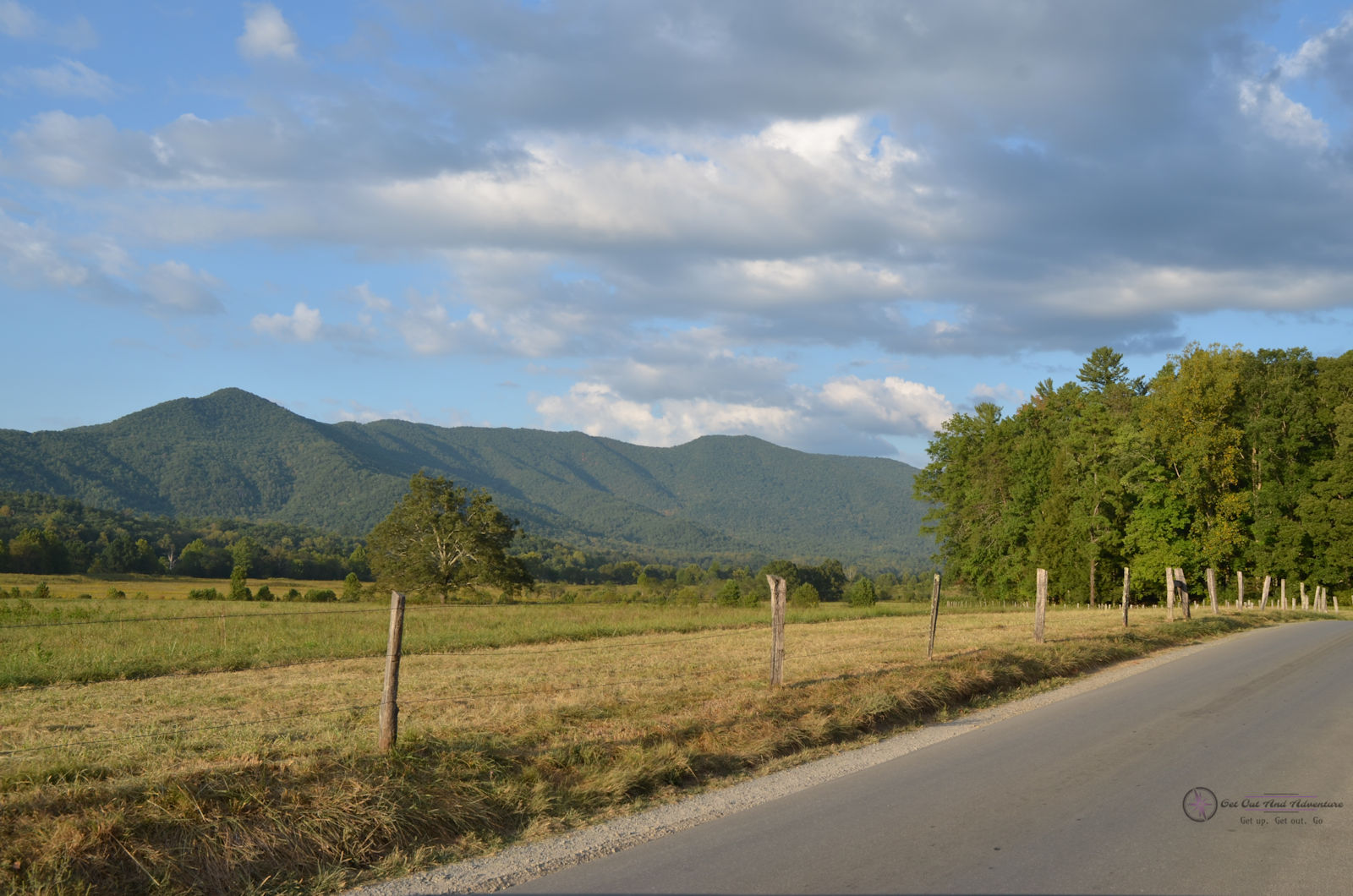
Autumn in the Great Smoky Mountains in the fall is a veritable eye fest. Oranges, reds, and yellow blast out of the trees as you’re driving along the parkway or hiking one of the many trails. The problem is, the secret is out, and the roads and trails will get crowded. Use this handy guide so you’ll know where to go, how to get there, and when to do it to avoid the crowds (for the most part).
The Great Smoky Mountain National Park is the busiest National Park by far, almost three times as many visitors as second place Grand Canyon. The busiest days in the Great Smoky Mountains are predicted to be when the leaves are at peak color from Oct. 10th – Oct. 26th. It doesn’t take a genius to figure out that it’s probably better to stay away from the busiest days in the busiest park. You may not avoid the crowds completely, but if you follow these tips, you should be alright.
Check the calendar, fortunately, the NPS has a calendar of predicted peak congestion days. Red Diamond days are bad if you’re looking for solitude, or parking for that matter. Red Diamond Days are predicted for the aforementioned Oct. 10-26th, Oct 4, 5, 29th, and the first two weekends in November. If those are the only days that you have available, or you’re really wanting to see the leaves peak season, then, do yourself a favor and change things up from the average tourist.

Use one of our handy travel size journals to keep your travel memories, plans, and appointments in mind. Each page has a slight image of the cover, available in hard or paperback.
Hike for Color Changes According to Elevation

There are over 150 trails in the park, some of which are extremely popular. If you want to hike one of those, go ahead, just be aware that it could get really crowded both on the trail and in the parking lot. The following is a list of moderately difficult trails that are not as popular but will offer great autumn views.
Leaves will generally change colors at the higher elevations first. If your window for leaf viewing is mid to late September, think about hiking Andrews Bald or The Jump Off. The first two weeks of October Albright Grove and Sugarland Mountain Trail are good mid-level trails to hike. Bonus, if you hike the late September trails in the first week of October, you’ll see colors both above and below you.
Good trails to take in the final half of October are Bullhead and Mt Sterling. If you’re looking for an easy trail to take the kids on, Baskins Creek Falls is a 3-mile trail with waterfalls.
Mid to late October is screaming Red Diamond Days. If this is the only time that you can get there you don’t have to resign yourself to being shoulder to shoulder on the trail if you’re smart about it. According to the park service, most people get to the Great Smoky Mountains National Park between 10 and 11 am. The park is open 24 hours, and they don’t put away the leaves at night. So, if you want to beat the crowds, set your alarm clock early and get to the trailhead by sun-up.
In November, if you can get out on a weekday, you can hike the popular trails and they most likely won’t be crowded. Good trails to hike are Abrams Falls, Rainbow Falls trail, or the Oconaluftee River trail. You can probably even take the Cades Cove Loop and not be bumper to bumper.
If you want to camp in the Great Smoky Mountains National Park, check out our guide conveniently located right here!
Hiking With the Dogs at Great Smoky Mountains

Subscribe To Our Newsletter
Get awesome adventure travel ideas to help you plan your next vacation!
You can’t leave Rusty at home while you’re living up the brisk autumn life in the Great Smoky Mountains, but not all trails are dog friendly. There are various reasons for dogs not being allowed in certain places in the park. Safety of the dog is the main one. Nothing ruins a family fall outing faster than watching the family pet get eaten by a bear.
Dogs are allowed in campgrounds, picnic areas, and along the road, all while on a leash. There are also two trails that allow dogs, again, on a leash. The Gatlinburg Trail and the Oconaluftee River Trail are both listed as easy trails with limited elevation gain and gravel paths.
The Gatlinburg trail follows the Little River and offers views of old Smoky Mountains homesteads as well as evidence of the 2016 Gatlinburg wildfire. Another feature is you’ll cross one of the park’s longest footbridges. Bikes are allowed on the Gatlinburg trail, so keep an eye out for them to keep both your pet and the biker safe.
The Oconaluftee trail follows the namesake river and is on the North Carolina side of the park. The gravel path with a 70-foot elevation gain offers views of a host of trees. Dogwood, basswoods, sycamores, and buckeyes bloom for the spring hiker, and the asters change for the fall hiker.
Alternative Ways to the Great Smoky Mountains National Park

Everybody likes to have the convenience of their own vehicle at their disposal, but if there’s no place to park, what’s the use? There’s nothing worse than having that $5 parking money burning a hole in your pocket, but you can’t pay the parking fee if you can’t park.
If you’re staying close outside the park, you can always Uber or Lyft yourself straight to the trailhead. Another alternative is the shuttle system. The National Park Service has a list of shuttle services that they recommend. Some will give you a ride to your preferred trailhead, others will drop off at popular destinations, even others have guided tours to go along with the ride.
The Great Smoky Mountain National Park list of shuttles can be found here.
Keep it Clean in the Great Smoky Mountains National Park

Use the provided receptacles for your trash, if there are none, pack it out. Don’t ever feed the bears! We’ve all seen Yogi, we know what happens when you feed the bears, so don’t do it. If you’re backwoods camping, don’t leave anything behind, and definitely don’t bury something that you don’t feel like carrying and act like you’re doing nature a favor (yes, it happens).
Be sure to check the Great Smoky Mountains National Park website for an updated list of closures before you go.


